 Hot Features



 Premium





 Trade like a pro: Leverage real-time discussions and market-moving ideas to outperform.


Every trader needs information, but information alone does not create stability. What brings steadiness in unpredictable market conditions is the set of habits you rely on day after day. These habits influence how you assess risk, how you respond to pressure and how you recover from mistakes. They also reveal a great deal about your own behavior as a trader.
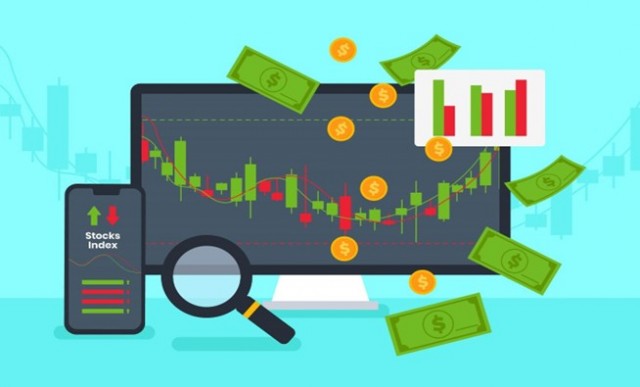
When these habits develop gradually and with intention, they form the backbone of strong risk management rather than a list of rules you only revisit after a difficult trade. Drawing from industry experience and observation, Fortrade highlight five habits that could help traders think more clearly and protect their capital.
Habit 1: Always set a stop-loss
A stop-loss gives your trade a clear ending point. You decide in advance where the idea stops making sense, and that decision protects you from hesitation when the market moves quickly. It also frees your attention because you are not watching the screen out of fear. A simple habit like this turns uncertainty into something more manageable. Many traders notice that once they commit to placing a stop-loss every time, they trade with a calmer mindset.
Habit 2: Never risk more than 2% per trade
Keeping risk small helps you continue trading even during a rough patch. When each position only uses a small part of your account:
- Your losses stay contained
- You avoid emotional decisions
- You become more selective with your entries
This habit supports long-term progress because you do not feel pressured to recover losses immediately. Instead, you focus on consistency. The 2% guideline may look simple, but it often becomes one of the most important habits in a trader’s journey.
Habit 3: Diversify your instruments
Different markets move for different reasons. A single unexpected event can affect one instrument while leaving others steady. Diversifying helps you avoid being tied to the behavior of one instrument. You can mix your trading across:
- Currency pairs
- Indices
- Metals
- Stocks
You do not need many instruments. Even a small variety brings balance. Fortrade, an FCA-regulated brokerage, offers a broad selection of CFDs that allows traders to look beyond a single market while keeping their routine simple and manageable.
Habit 4: Keep a trading journal
A journal makes your decisions more visible. It holds your thoughts before entering a trade, the outcome after closing it and the reasons behind your choices. Over time, patterns start to appear. You may notice you trade better at certain hours, or that certain setups bring more clarity than others.
A journal could give you a long view of your day trading behavior, something charts alone cannot show. Many traders find that this habit could help them grow in ways they did not expect.
Habit 5: Take breaks and review
Trading without breaks can make simple charts look confusing. Stepping away helps your mind reset. Even short pauses bring more clarity when you return. Reviews add another layer of understanding. A weekly or monthly review allows you to look at your results without rushing. You see what supported your progress and what needs adjustment. These quiet moments often teach more than any individual trade.
Bonus: Some platforms make it easier to build steady habits, and Fortrade is one of them. Traders often rely on its market analysis page for a clear view of the day ahead, and many use the Academy, courses, webinars and Trading Central analysis to strengthen their understanding. These resources, combined with simple tools like stop-loss placement and position sizing, help traders stay organized and make better decisions.
Conclusion
Risk management grows through steady routines rather than dramatic strategies. When you decide your exit before your entry, diversify, record your thoughts and give yourself moments to step back, trading becomes more thoughtful and less exhausting. These routines build strength quietly, and with time, they become the foundation that supports everything else you learn. Good traders manage risk. Great traders master it, and that mastery usually begins with habits that look simple on the surface but shape every decision that follows.