
 Hot Features



 Premium





 Register for Free to get streaming real-time quotes, interactive charts, live options flow, and more.


Since animals and humans alike have been roaming the earth we have been consuming the rich and plentiful natural resources that the planet possesses but, as the populations of mankind grow we have come to realize that what we once take for granted has a limited supply and the earth cannot sustain the rate at which we take from it. Coal, oil, and natural gas have all become a resource that we have depleted and in our lifetimes will not see regenerate to the levels we had before.
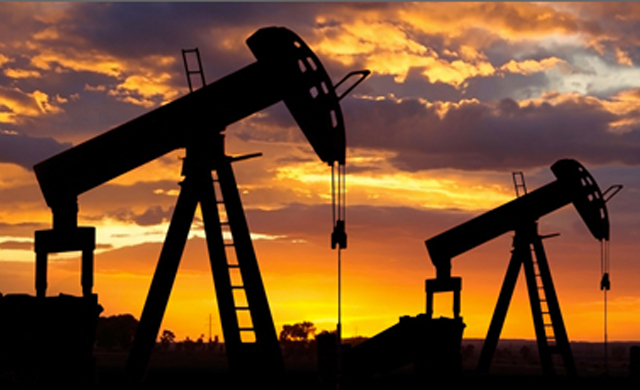
With the advent of technology and the rise in population over the last 3 centuries the natural resources we used will need to be replaced with new and more efficient fuels and products. Coal for example is a fossil fuel that will be depleted but whilst coal is still a valuable commodity around the globe and is a huge global market energy supplier its value is high. It is difficult to predict when it may run out but by using statistical data there are tools that can help to calculate its present value.
The Fossil Fuel Industry
The fossil fuel industry is huge and many countries still rely on natural gas, coal, and wood but with this came a flourish of economic development mostly during the Industrial Revolution. For engineering and building, the vast amounts of fuel that was needed was a banking revolution for many. The Rothschild family often to be reported as the richest family in the world and JD Rockefeller all had serious investments in fossil fuel and helped to power these mighty construction projects that we still see today.
Compared to previous investments in fossil fuels today’s market is in decline, although still very valuable and will be for some time the advancements in technology and awareness of the problems caused to the ecosystem by these fuels means the market is shrinking along with the resources themselves.
The Oil Industry and its Decline
Oil has been a huge contributing factor to the growth of many economies throughout the world, from the Middle East, Russia, and the United States. Powering industry and helping us in so many ways that it is hard to see how the world can survive without it. From automobiles to plastic straws it has become something we have become accustomed to using on a daily basis. But as with all-natural resources, it has only limited reserves. With only about 45 years left of the proven oil fields, we have discovered today new and more efficient power sources have become a high priority for energy firms to divest in.
Whilst the oil is not going to disappear overnight and will continue to help power our economies and lifestyles for future generations the depletion is of major concern and we must adapt to the knowledge that it is not a finite resource, calculating its current value is not only measured in financial terms but also the cost to society and the environment. The harm of our consumption of oil to the natural world must also be a major factor in limiting its use.
What are the Costs
Fortunately, there are many alternatives to fossil fuels, and the private sector and governments are investing heavily in the industry of creating clean and renewable sources of energy. Most countries are taking the lack of natural resources available and the cost to the environment that using fossil fuels is inflicting on the earth very seriously. Each year the earth is becoming more and more polluted which is detrimental to our children’s health and future.
- Asthma is becoming more prevalent even with the reduction of smoking cigarettes. Over 300 million children and adults suffer from this potentially life-threatening condition and the fuels we use are in part to blame.
- The heating and burning process we use with fossil fuels has a major contribution to the rise in cancer cases being recorded around the world.
- Heart disease is also on the rise due to the nature in which we work, factories, refineries, and power plants are the number one contributors.
There are many other health implications that can be considered to be caused by environmental factors. It is difficult to estimate the changes that must be made to improve our health and the eco-system by introducing new technology but it is something that must not be a factor and change needs to happen to ensure a healthy future for our loved ones.
Alternative Energy and Good Investment
With our energy demands increasing year on year and the population requiring more, we have had to look to a more sustainable source of energy, and with human ingenuity the creation of renewable energy, sustainable and environmentally sources of energy we have started the process of diverging away from the destructive fuels we have been using for generations. Along with the obvious benefits to the planet, a great investment can be made in the long term. Whilst shares in fossil fuels are stagnated or on the decline new and exciting energy sources are becoming hot investments.
As with every new technology, there may be skepticism but proven energy tech is in high demand.
- Nuclear energy has been around since the 1970s and under the safe guidance of private companies and government regulation and inspection currently produces around 12% of the world’s power output.
- Solar power has become something that many corporations and households can do and can be incorporated to reduce their carbon footprint and expenses. It has become much cheaper to install and can be used in most countries.
- Wind Power is another huge industry that has become a very popular source of energy for consumers. With offshore and land-based wind farms a huge amount of power can be generated, last year alone it became the 2nd biggest generator of electricity in the United Kingdom.
- Hydroelectric is one of the cleanest forms of power generation and with the correct management it can also be the safest. Laos, a small southeast Asian nation produces with its vast amount of rivers and dams is able to meet local demand and still export hydropower to neighboring countries such as Thailand and Cambodia
- Tidal Energy is something that is often overlooked, but with over 70% of the world covered in water, it is a fast-growing sector and has become a very important source of renewable energy. By using the power of the tides we can harness and help to generate a source of energy that is always going to be there and help to power our homes and communities.
- Biomass energy is a great way to re-use the items we have already used and creates less garbage for landfills whilst also providing a constant source of materials that can help to reduce our dependence on the fragile natural resources that the earth provides.
Conclusion
Whilst we as a people will still rely on fossil fuels for some time to come but there is a common consensus that the world has to adapt to ensure a cleaner environment in which we live and giving future generations a better world. It is achievable and now is the time to act, also providing a great opportunity for financial investment.